

Malta’s Film Economy Guide: How Movies Changed the Islands
There is a good chance you have already seen Malta on screen without even realizing it. The islands have doubled as ancient Rome, biblical Jerusalem, medieval kingdoms and futuristic cities, appearing in productions ranging from Gladiator,Troy to Game of Thrones, Jurassic World Dominion, most recently Enola Holmes 3 and countless television series. While visitors often focus on spotting famous filming locations, there is a much bigger story behind Malta’s thriving film industry. It has become an important part of the country’s economy, shaping local businesses, creating jobs and even influencing the way some historic areas are preserved.
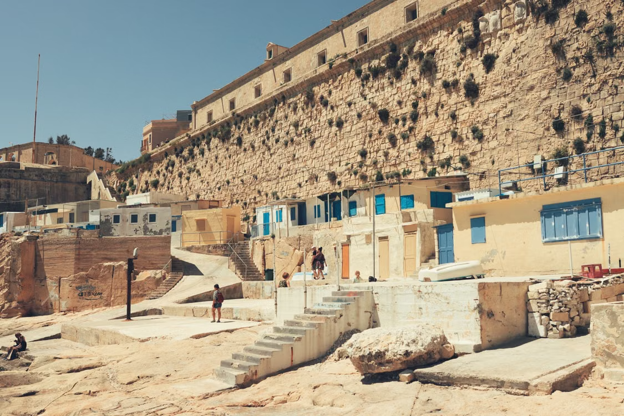
Malta’s greatest advantage has always been its versatility. Within a relatively small area, filmmakers can find fortified cities, traditional fishing villages, dramatic cliffs, crystal-clear bays and centuries-old streets that require very little digital editing. Combined with more than 300 days of sunshine each year, experienced local crews and competitive production incentives, it is easy to understand why directors continue returning to the islands.
When a major production arrives, the impact extends far beyond the cameras. Hotels welcome cast and crew for weeks or even months, restaurants serve hundreds of daily meals, transport companies provide vehicles, and local artisans help build detailed film sets. Many Maltese professionals work behind the scenes as carpenters, costume specialists, electricians and technicians, turning filmmaking into a valuable source of employment rather than simply a tourist attraction.
Of course, filming also requires careful planning. Production companies must obtain permits before shooting in public spaces, particularly around historic monuments, protected coastlines and busy urban centres. Temporary road closures or restricted access occasionally affect residents, but these measures help ensure both public safety and the protection of Malta’s architectural heritage. Local authorities work closely with filmmakers to balance production needs with everyday life, allowing iconic locations to remain accessible while preserving their historic character.
For visitors hoping to experience Malta’s cinematic side, the obvious stops are Valletta and Fort Ricasoli, one of Europe’s largest historic forts and a favourite location for epic historical films. Yet some of the most rewarding discoveries lie away from the crowds. Wander through the quiet streets of Birgu, explore the narrow alleys of Mdina, or visit the colourful fishing village of Marsaxlokk, where authentic Mediterranean scenery continues to attract directors searching for timeless backdrops. Even ordinary neighbourhoods occasionally become temporary film studios, proving that almost any street on the islands can become part of a Hollywood production.
After a day following the footsteps of famous actors, watching the sunset Malta is known for from the harbour offers a fitting finale, with golden light transforming the same historic walls that have appeared in countless productions. Those looking for a more relaxed afternoon can combine their cinematic adventure with a visit to Sliema beach, where the modern waterfront provides a striking contrast to Malta’s ancient film sets.
Malta’s film industry is about far more than celebrity sightings or blockbuster movies. It is a dynamic part of the national economy that supports local communities, protects historic locations and introduces millions of viewers to the islands. Every production leaves behind more than memorable scenes—it strengthens the connection between Malta’s remarkable past and its exciting future.
At 1926 Le Soleil, you stay connected to the island’s cinematic rhythm. Book your stay now or contact: reservations@1926collection.com or +356 2133 3570 for more information.