

Malta’s Urban Heat Islands: The Real Reason Valletta and Sliema Feel Hotter
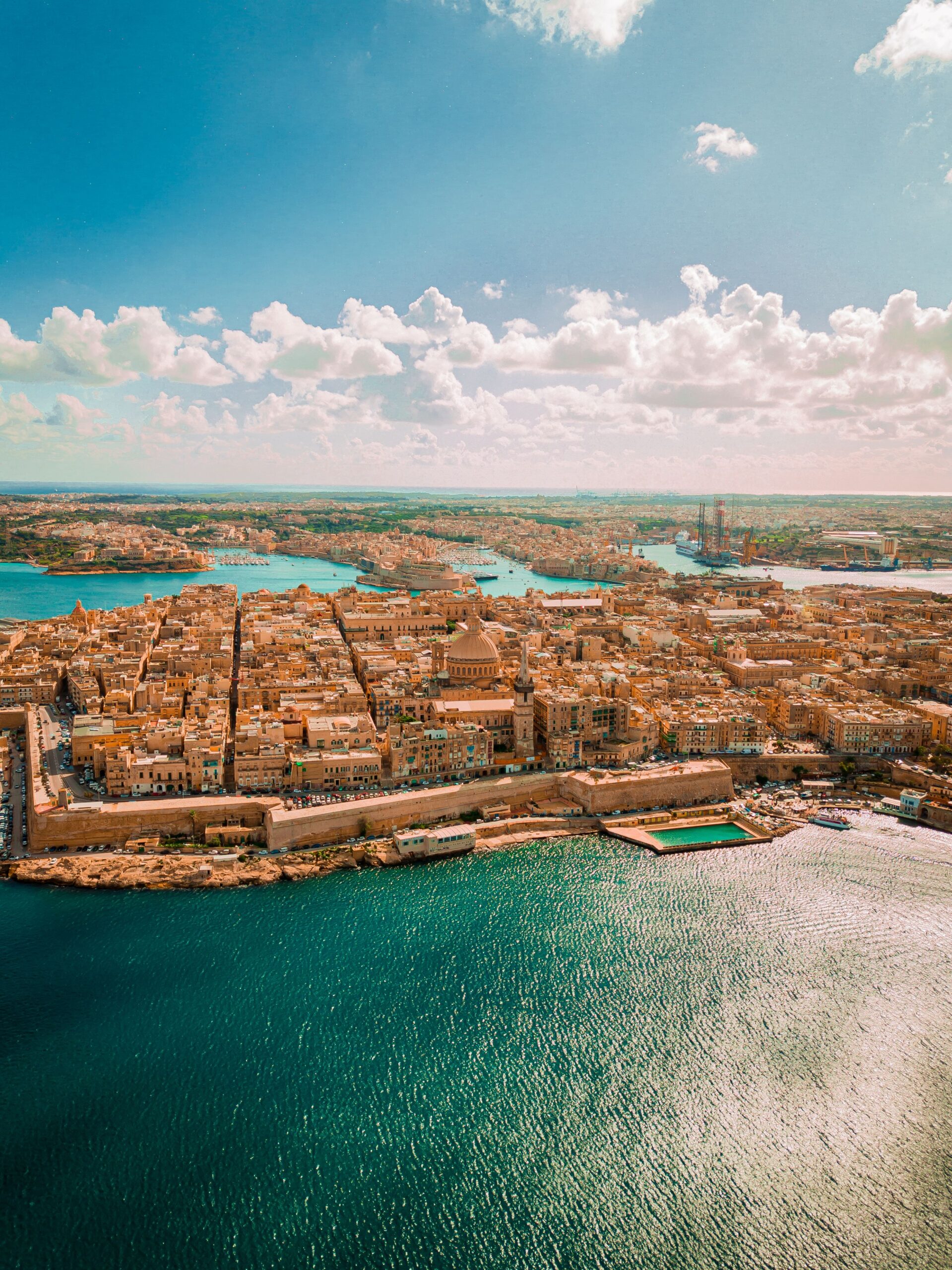
Malta’s summer heat is not distributed evenly. Walk from an open coastal stretch into the tightly built streets of Valletta or Sliema, and the temperature can seem to rise even when the forecast has not changed. This is the urban heat island effect: built-up areas absorb, store and release more solar energy than greener surroundings. Maltese research identifies Valletta and Sliema as highly urbanised monitoring locations, while local studies show urban sites can stay warmer than nearby countryside despite strong maritime influence.
The materials around you matter. Asphalt, concrete, stone façades, pavements and rooftops heat up under hours of direct sunlight. Because these surfaces have high thermal inertia, they do not cool immediately after sunset; instead, they release stored heat into streets and buildings. That is why an evening walk can still feel warm long after the sun has dropped.
Urban form adds another layer. Valletta’s narrow streets often provide welcome shade, and traditional Maltese roofs and thick masonry can offer better insulation than some modern roof systems. Yet dense buildings leave less open ground and vegetation for cooling. In Sliema, extensive development, busy roads and hard surfaces create a different but noticeable heat environment. The waterfront may provide a breeze, but sheltered streets can remain hot when air movement weakens.
Greenery creates one of the clearest contrasts. Trees and planted areas cool their surroundings through shade and evapotranspiration, whereas bare stone and asphalt continue absorbing energy. University of Malta research has highlighted the cooling value of urban green spaces and “green pockets”, including their role in reducing heat stress in Valletta. A route through a garden, shaded square or tree-lined promenade may therefore feel more comfortable than a nearby exposed street.
Humidity influences comfort too. Malta’s coastal setting means heat can feel more oppressive when the air is humid and wind is limited, because perspiration evaporates less efficiently. This is not the heat island itself, but it intensifies how urban warmth is experienced. Traffic, air-conditioning exhausts and other human activity can add smaller amounts of local heat in crowded areas.
For visitors, timing is the simplest defence. Explore exposed streets and major sights early in the morning, pause indoors or in shade around midday, and return to the waterfront toward evening. Malta’s public-health guidance recommends avoiding the hottest period, generally between 11:00 and 16:00, drinking water regularly, wearing light clothing and choosing shade whenever possible.
Understanding the urban heat island effect does not make Valletta or Sliema less enjoyable. It helps you experience them more intelligently: follow shaded lanes, use gardens as cooling stops, slow the pace at midday and save harbour walks for softer light. From Sliema, it is easy to balance city exploration with ferry journeys, coastal walks, spa time and relaxed evenings by the water.
At 1926 Le Soleil, you stay connected to the island’s rhythm, from seaside strolls to relaxed evenings along the Grand Harbour. Book your stay now or contact reservations@1926collection.com or +356 2133 3570 for more information.