Responsible Souvenir Guide: What’s Actually Made in Malta – and What’s Imported
A souvenir should do more than display a Maltese cross or a picture of a luzzu. The most responsible choices have a traceable maker, a clear place of production and a genuine connection to the islands. This distinction matters because a Maltese motif can appear on either a locally manufactured object or an imported one. “Maltese-inspired” describes the design; it does not necessarily mean the item was made in Malta.
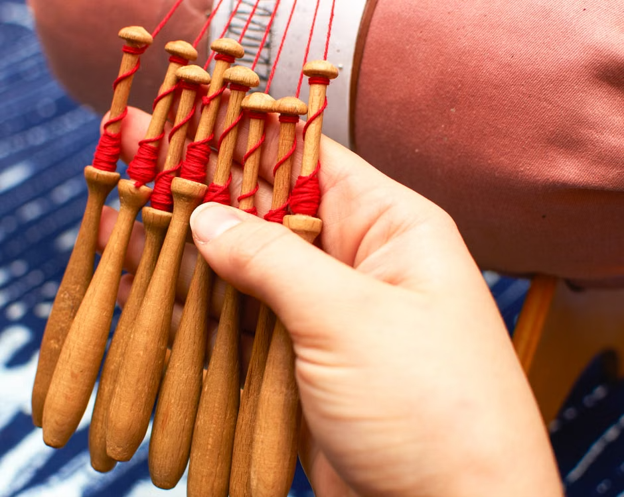
Some of the strongest local choices come from living craft traditions. Maltese and Gozitan bobbin lace, known as il-bizzilla, is worked by hand with thread, wooden bobbins, pins and a traditional upright pillow. Silver or gold filigree is another recognised craft, shaped from fine metal wire into intricate jewellery and decorative forms. Hand-blown glass, pottery, ceramics, leatherwork, stone carving, textiles and contemporary prints are also produced by island-based artisans. At workshops and artisan markets, visitors may be able to meet the maker, observe part of the process and learn why two apparently similar pieces carry very different prices.
Food can be an excellent souvenir, provided the label is read carefully. Locally produced honey, carob syrup, prickly-pear liqueur, preserves, traditional sweets and wine can carry a taste of Malta or Gozo home. However, “packed in Malta,” “Maltese recipe” or packaging covered with island imagery does not automatically confirm that the ingredients were grown locally. Look for the producer’s Maltese address, the country of origin, ingredient information and a clear statement such as “Made in Malta” or “Product of Malta.”
Generic magnets, key rings, printed mugs, T-shirts and resin figures may be imported, although locally manufactured versions do exist. Malta Enterprise has previously commissioned souvenirs that had to be locally made, individually marked and, where relevant, hand-painted, showing why origin information is more reliable than appearance alone. When no origin is shown, ask the retailer directly: Who made it? Where was it produced? Is the design printed locally on an imported blank, or is the complete product Maltese-made?
Price offers another clue, but not proof. Genuine lace, filigree and studio glass require skilled labour, so an unusually cheap “handmade” item deserves a closer look. Small variations, maker signatures, workshop labels and care instructions can support authenticity. A responsible retailer should answer questions clearly rather than becoming vague or defensive.
For greater confidence, shop at established workshops, selected artisan markets or craft villages such as Ta’ Dbieġi in Gozo, where pottery, glass, lace, jewellery and local foods are made or presented by specialist producers. Buying fewer, better-made objects also reduces waste and directs more of your spending toward local skills rather than disposable imports.
The best souvenir is not simply decorated with Maltese symbols. It tells you who created it, where it came from and why it belongs to the culture you visited, remaining meaningful for many years afterward.
At 1926 Le Soleil, you stay connected to Malta’s character, from discovering local artisans to relaxed evenings by the sea. Book your stay now or contact reservations@1926collection.com or +356 2133 3570 for more information.