

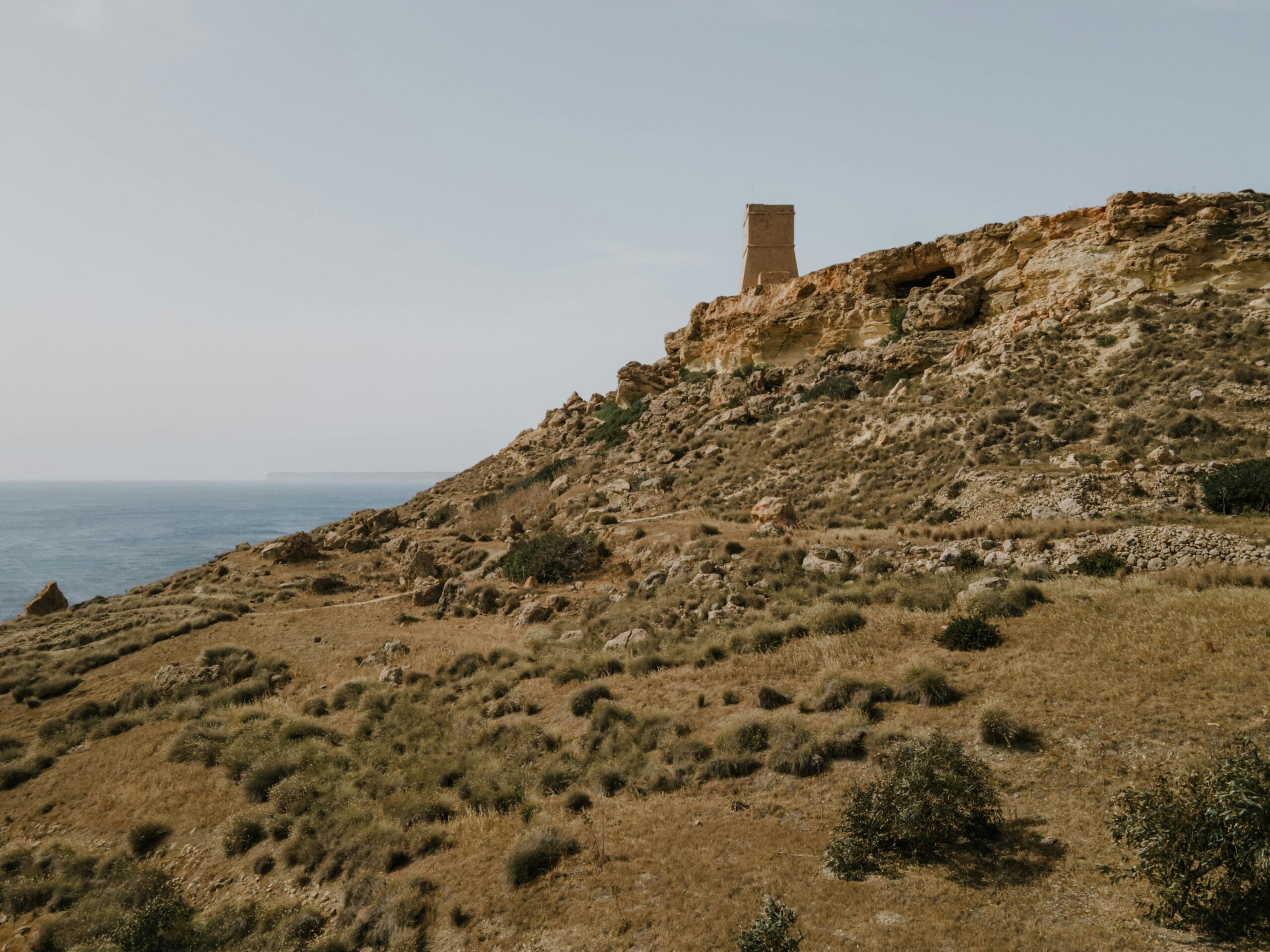
Malta’s watchtowers explained: why they exist, which ones you can reach easily
If you’ve ever noticed a small stone tower on a headland or perched above a quiet bay in Malta, you’ve already come across one of the island’s most practical and overlooked historical features. Malta’s watchtowers weren’t built for aesthetics—they were built for survival. Strategically positioned along the coastline, they allowed communities to scan the horizon and relay warnings long before the existence of modern technology. Once you start recognising them, the island reveals itself not just as a collection of beaches and towns, but as a carefully connected network of lookout points.
Malta’s location in the heart of the Mediterranean made it both valuable and vulnerable. For centuries, coastal defence was essential, and watchtowers became the most effective solution. Many are closely linked to the era of the Knights of St John, who invested heavily in fortifying the island. These towers were not designed to withstand major attacks alone, but to detect threats early, delay intruders when necessary, and alert nearby settlements.
Each tower tells a slightly different story. Some are compact and robust, built for endurance, while others are taller and more refined, placed to maximise visibility. You’ll often find them on exposed headlands, above natural harbours, or overlooking stretches of coastline that once required constant vigilance. Even from the outside, they offer a unique perspective—you quickly understand why that exact location mattered.
The good news is that exploring them doesn’t require complex planning. Many watchtower spots are easily accessible, especially if you’re based in Sliema. Nearby coastal areas offer relaxed walks where you can combine sea views with a touch of history. Along the north and northwest coasts, towers are often part of scenic half-day outings, perfectly paired with a stop for coffee or lunch. Some of the most striking towers sit dramatically on cliff edges, where the view itself becomes the highlight—ideal if you want a memorable experience without committing to a full-day trip. A simple way to plan your visit is to treat it as part of a broader experience: combine a tower stop with a seaside walk, a viewpoint, or a laid-back meal.
To enjoy them like a local, there’s no need to rush. Choose one tower that fits naturally into your route and visit in the late afternoon, when the light is softer and the surroundings more atmospheric. These structures were built for observation, so take your time—sit, look out to sea, and absorb the scale of Malta’s coastline. Keep in mind that exposed locations can be windy, often feeling cooler than expected even on warm days.
After a relaxed half-day exploring the coast, returning to comfort makes all the difference. Staying in a hotel in Sliema allows you to discover Malta at your own pace, with easy access to cafés, ferries, and evening walks along the promenade. Make 1926 Le Soleil your base for the perfect balance of exploration and relaxation. Book your stay today or contact us at reservations@1926collection.com or +356 2133 3570 for more information.