

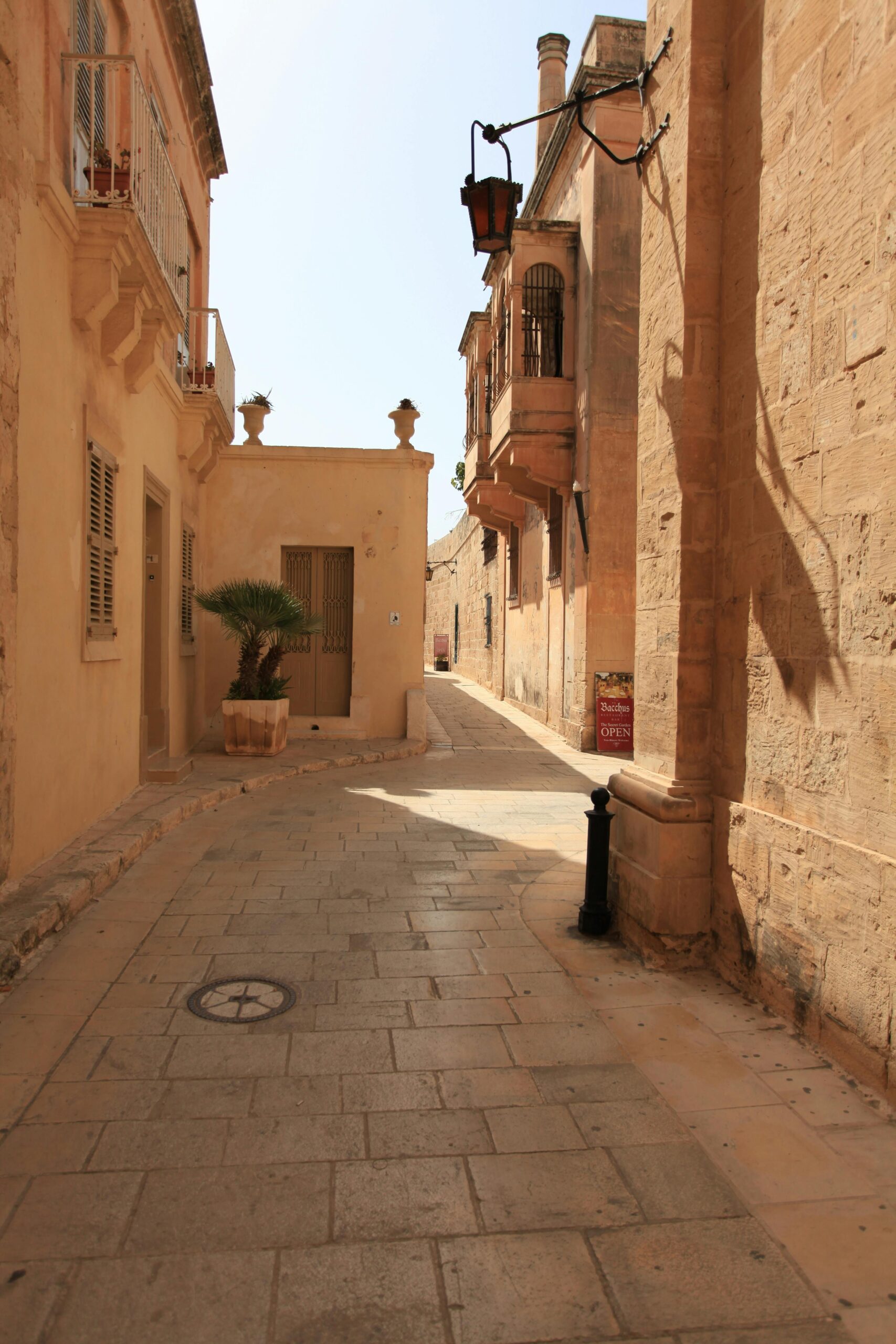
Why Malta is “golden”: limestone architecture & quarry culture — how stone shapes cities, design details to look for.
Malta is often described as golden, and the reason becomes immediately clear the moment sunlight touches its buildings. Across the island, cities, villages, churches, and fortifications glow in warm shades of honey and amber, creating one of the Mediterranean’s most distinctive landscapes. This unique appearance comes from Maltese limestone — the material that has shaped the country’s architecture, identity, and urban character for centuries. More than a simple building resource, limestone is deeply connected to the way Malta looks, feels, and even reflects light.
The islands were built directly from the land itself. Maltese limestone is soft when first quarried, allowing craftsmen to carve intricate details with remarkable precision, before naturally hardening over time through exposure to air. This quality helped generations of builders create the decorative architectural style that now defines Malta’s streets. From grand Baroque churches in Valletta to quiet alleyways in Mdina, the same golden stone appears everywhere, creating visual continuity across the islands.
Quarry culture has also played a central role in Maltese history. For centuries, quarrying was not simply an industry but a skilled craft passed from one generation to another. Entire communities were connected to stone extraction, masonry, and architectural detailing, and many of Malta’s historic buildings were shaped entirely by local artisans. In many ways, Malta’s cities quite literally emerged from the rock beneath them. Even today, abandoned quarries and active stone-working sites remain part of the island’s landscape and cultural memory.
One of the most fascinating aspects of Maltese limestone is how dramatically it changes throughout the day. Early morning light gives buildings a soft cream tone, while late afternoon and sunset transform entire streets into glowing gold. This constant interaction between stone and sunlight gives Malta its unmistakable atmosphere — cinematic, warm, and timeless all at once.
While exploring the island, it is worth paying attention to the smaller design details often overlooked by visitors. Look closely at carved door frames, ornate balconies, church façades, weathered staircases, arches, and the traditional enclosed wooden balconies known as gallarijas. Even modern architecture in Malta often incorporates limestone to maintain the connection between contemporary design and local heritage.
Understanding Malta’s limestone culture changes the way you experience the island. Streets become more than pathways, buildings become part of a centuries-old craft tradition, and entire cities begin to feel sculpted rather than constructed.
After a day discovering Malta’s golden streets, historic architecture, and hidden corners, returning to a tranquil environment offers the perfect balance between exploration and relaxation. Staying in Sliema places you close to both Malta’s cultural landmarks and its waterfront lifestyle, allowing you to experience the island at your own pace. At 1926 Le Soleil, modern comfort meets the timeless atmosphere of Malta in one of the island’s most vibrant coastal locations. Book your stay now or contact reservations@1926lesoleil.com or +356 2133 3570 for more information.